At Capitals Coalition, we regularly capture perspectives from leading voices across finance, business, policy, sustainability, and the economy. Each month, we pick up on market signals and bring in an expert to make sense of them. In 300 words or less.
Between March and May this year, Capitals Coalition, in partnership with GlobeScan, gathered responses from senior decision-makers across business, government, and the third sector (including 41% C-suite). The aim was to understand whether current decision-making practices are considered fit for purpose. We thought they would have asked for better tools, instead, they are asking for system change.
When questioned about which interventions would help, they prioritized systemic issues like inequality, concentrated power over policy, and misaligned collective priorities, while ranking market-based fixes, like pricing externalities or strengthening regulation, as only secondary. This same logic carried through when they described barriers within their own organizations, where politics, entrenched power dynamics, and misplaced priorities outweighed technical challenges, like data quality or complexity. Together, this suggests that senior decision-makers are calling for deep systemic reform rather than incremental adjustments to existing market mechanisms. This isn’t an isolated signal. This perception of inadequacy in current structures is also echoed in the 2026 WBCSD Business Barometer, which found that 98% of over 500 businesses interviewed consider an unplanned or poorly coordinated carbon transition as a risk to their business. Equally, Systemiq’s “Ground Truth 2026” research suggests “the old system” is not yet giving way to the gradually emerging “new system”.
Leaders want system change, and it sits with social capital.
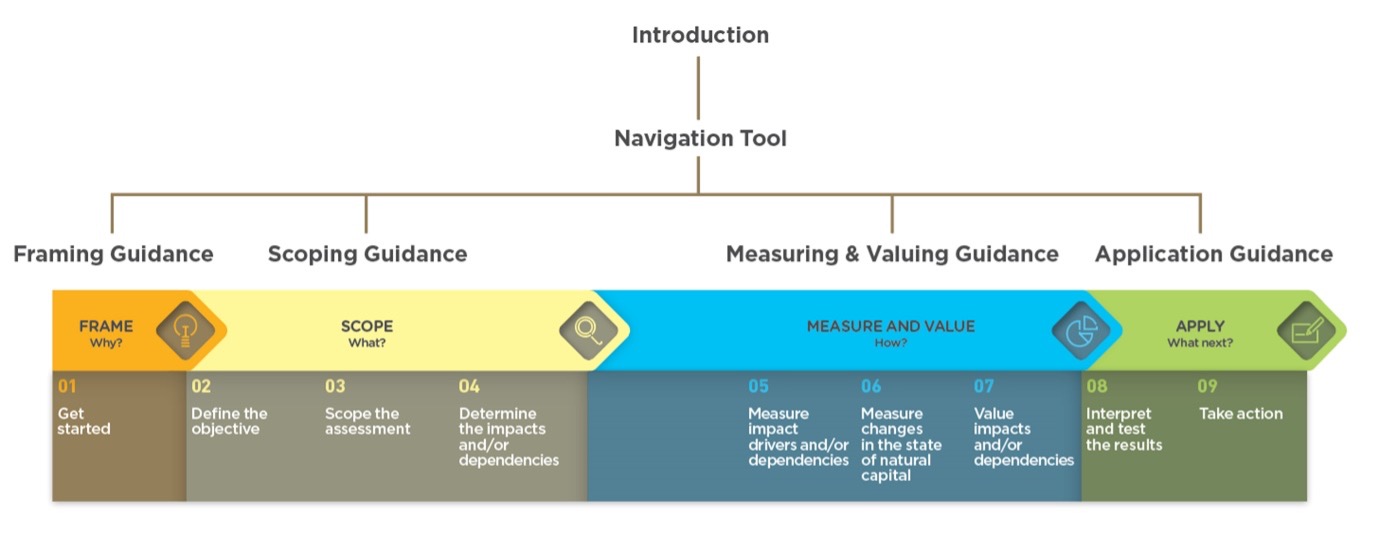
There is an instinct in the market that this current system isn’t delivering what we need it to and may be limping. How societies have historically responded to environmental hazards shows that a community’s internal fractures, not the hazard’s severity, usually determine the outcome. Social capital, through the strength of our collective institutions, is often the deciding factor, as it’s the make-or-break for how we mitigate and respond to catastrophic climate scenarios. This doesn’t mean abandoning the technical work of standardizing impact valuation, as we started doing in the Capitals Protocol (for example pages 25, 95, 110 and others), the Governance for Valuation and the current Diverse Perspectives Working Group. But it does mean we can stop tiptoeing around underlying inequality and power as if they were side issues, as well as focusing our coverage of social capital valuation.
Conversations about inequality, power and system shifts have sometimes been seen as out of the remit of business. Our results show senior decision-makers recognizing these as now essential parts of the business landscape. This means expanding beyond the early effective focus on environmental capital to understand social capital. Understanding social capital across the system will identify potential market risks and opportunities to plan around – including opportunities for coordinated action with peers and organisations across sectors. Mapping social capital within companies will clarify the ability to engage and lead change, overcoming the short-sighted business-as-usual approach that overlooks how managing natural, social and human capitals can improve success. And finally, measuring social capital with the external audiences that companies rely on will increasingly become a critical predictor of success and a way to pre-empt issues.
We need to standardize measurements of natural capital, but we also need to start having a serious conversation about social capital.
Words by Capitals Coalition and GlobeScan teams