In the context of the SUSTAIN project, the recent webinars held by WBCSD, Share Action, South Pole, and Capitals Coalition delved deep into the challenges and opportunities of identifying, assessing and acting on nature for both businesses and financial institutions.
Thanks to Holcim, Iberdrola, Sacyr, De Nederlandsche Bank, Olam Agri, AECOM and Nature-based Insights for insightful presentations, the sharing of experiences, and an engaging panel discussion.
Main takeaways
- Materiality of nature risks: Nature-related risks are critical to the functioning of businesses, finance, and society at large, underscoring the need for a collective, collaborative, society-wide approach.
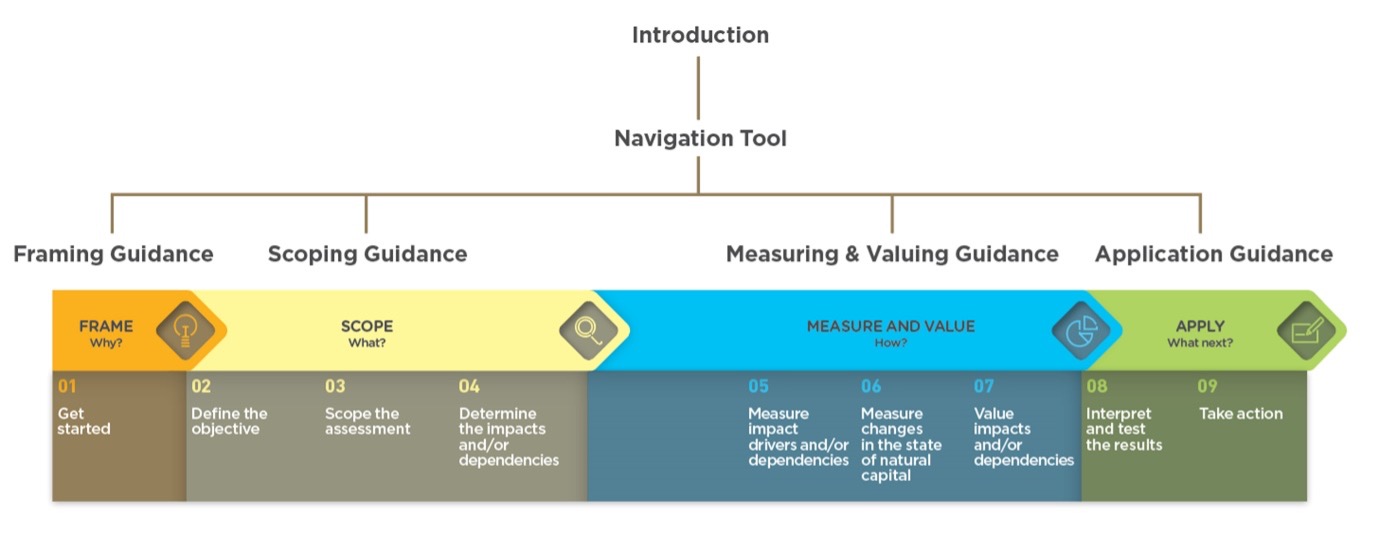
- Available frameworks and guidance: Tools and frameworks (starting from ACT-D framework, TNFD LEAP approach, ENCORE tool, and many other resources) are already in place to help businesses and financial institutions start identifying and assessing their nature-related impacts and dependencies and progress their nature journey effectively.
7 insights on challenges and opportunities from leading practitioners
- Data Validation
A key takeaway was the importance of data validation. While tools and frameworks are readily available, ensuring the accuracy and reliability of data is crucial. This involves collaborating with a diverse variety of stakeholders to gather comprehensive information and build a solid foundation for informed decision-making. - Iterative approach
While perfection may be an ideal goal, it shouldn’t hinder progress. Imperfect data can still be valuable for initiating the journey towards nature-positive practices. By adopting an iterative approach to assessing impacts and dependencies, businesses can refine their strategies over time. Tools like DIRO assessments can help identify gaps and inform decision-making. - Inter-Industry and Cross-Industry Collaboration
This brings us to another key point which is the critical need for inter-industry and cross-industry collaboration. By engaging with diverse sectors, businesses can collectively address shared challenges and identify innovative solutions. This collaborative approach can help dispel misconceptions and foster a shared understanding of the importance of nature-positive practices. - Traceability in the supply chain
Supply chain traceability emerged as a significant factor in assessing nature performance. Investing in data management tools and fostering strong relationships with suppliers can enhance visibility and enable more accurate impact assessments. It’s essential to prioritize education and collaboration with suppliers to drive sustainable practices throughout the value chain. - Social implications
To ensure successful implementation of nature strategies, engaging teams across the organization and aligning incentives can foster a culture of sustainability. Additionally, considering the social implications of nature-related actions, such as the impact on farmer livelihoods, is crucial for a holistic approach. Hence, two dimensions of community engagement and empowerment are essential for effective action: within your organization and on the ground. - Positive versus negative
Measuring both negative and positive impacts is essential for a comprehensive understanding of a business’s environmental footprint. While tools exist to measure negative impacts, developing methodologies to quantify positive contributions to nature is a growing area of focus for leading organizations. - Courageous leadership
Ultimately, strong leadership endorsement is vital to drive nature-positive initiatives. By championing these efforts and implementing incentives, organizations can empower their teams to make a meaningful difference and ensure that thought-leading initiatives become the benchmark for the future business-nature nexus.
What next?
Many of these challenges highlight the critical need for cross-sectoral and cross–stakeholder collaboration. On December 3rd the virtual roundtable “Scaling up cross-sector collaboration on nature action” is planned to address this: it will bring together financial institutions, policymakers, and businesses to explore how they can support each other and be mutually accountable in addressing nature loss. Registration link here.
We also encourage you to reflect internally on how to enhance collaboration and foster honest communication across business sectors and stakeholder groups—such as businesses, finance, and regulators—within your sphere of influence, to advance the nature agenda, a shared responsibility for all of us.
If you would like to learn more from how practitioners have gone through their nature journey, through different steps (with emphasis on the ”Assess” phase), please see case studies here.